/cdn.vox-cdn.com/uploads/chorus_image/image/70269281/112379621.0.jpg)
Peter Molyneux is a name that once stood for gaming innovation. The visionary behind Populous, Dungeon Keeper, and Black & White built a reputation as a creative force who pushed boundaries. But somewhere between soaring ambition and unmet promises, his legacy cracked. And when the dust settled, it wasn’t just critics who were left disappointed—real people lost real money. Investors, developers, and fans who believed in his vision were left holding the pieces of a crumbling empire. This is who paid the price.
The Rise and Fall of a Gaming Legend
Molyneux’s ascent was meteoric. As co-founder of Bullfrog Productions and later Lionhead Studios, he delivered genre-defining experiences. Black & White (2001), with its AI-driven creature and god-simulation mechanics, earned acclaim and financial success. He was hailed as a prophet of interactive storytelling. But as the industry evolved, so did the gap between his rhetoric and delivery.
His TED Talks and keynote speeches became as influential as his games. He didn’t just sell products—he sold dreams. That became a problem when the games failed to deliver. The turning point? Fable’s evolution into a safe, mainstream franchise under Microsoft’s ownership. Many felt Lionhead abandoned innovation for profit, and Molyneux’s personal credibility began to erode.
When he left Microsoft in 2012 to found 22cans and crowdfund Godus, the promise was clear: a spiritual successor to Populous, with emergent gameplay, player-driven worlds, and blockchain-like permanence. He raised over £500,000 on Kickstarter—funded by believers. What followed was six years of delays, broken features, and a ghost town of a game.
The Crowdfunding Backers Who Never Got Their Game
Tens of thousands of backers pledged to Godus, seduced by cinematic trailers and Molyneux’s charisma. Early access promised a god game with terraforming, tribal evolution, and multiplayer civilizations. Instead, players received a stripped-down, isometric clicker with no multiplayer, no story, and no pathfinding.
Key broken promises: - Persistent world changes across devices (never implemented) - Multiplayer mode (canceled) - Creature evolution system (scaled down to near nonexistence) - Mobile version (delayed indefinitely, then abandoned)
Many backers spent $50 or more for “deluxe editions” that delivered little beyond beta access and digital artbooks. By 2018, 22cans quietly stopped updates. The game exists as a digital tombstone—proof that even legends can fail.
One backer, a longtime Populous fan from Manchester, shared: > “I funded it for the nostalgia, for the chance to shape a world like I did in 1989. But what we got was a tech demo that never grew up. It wasn’t just a bad game—it was a betrayal of trust.”
Studio Employees Who Lost Their Careers
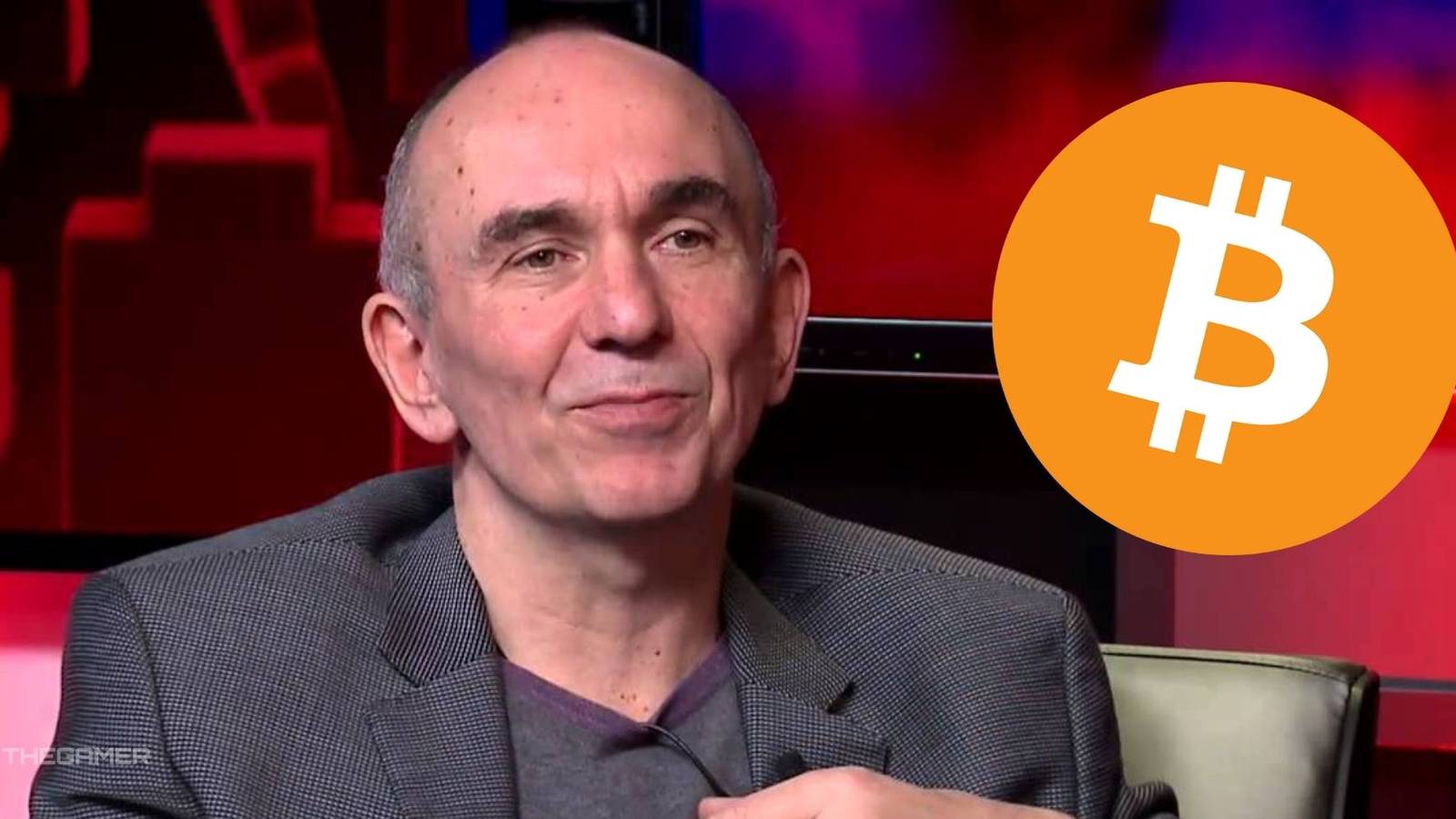
Behind every failed game are developers who gave years of their lives. At Lionhead, internal culture reportedly suffered under Molyneux’s “over-promising” habit. Designers were pushed to build features for demos that were never meant to ship—only to be shown at conferences and create hype.
When Black & White 2 launched, many of the advertised AI behaviors didn’t work as shown. The same pattern repeated with Milo & Kate, a Kinect project that was canceled before release, despite being demonstrated live at E3.
After Microsoft shuttered Lionhead in 2016, 150 employees lost their jobs. While not all were directly working on Molyneux-led projects, the studio’s reputation had been tied to his name. Trust in its leadership had eroded.
A former Lionhead designer, who spoke anonymously, said: > “We’d build these incredible demos that looked like magic. But they weren’t stable. They weren’t scalable. And then Pete would go on stage and say, ‘This is what the game will do.’ We knew it wouldn’t. But we were stuck building toward a fantasy.”
The emotional toll was real. Burnout, cynicism, and career uncertainty followed many out the door.
Investors Who Bet on the Molyneux Name
Godus wasn’t just crowdfunded. 22cans also attracted private investment, including from venture firms drawn by Molyneux’s track record. But as the development dragged on without a market-ready product, returns dried up.
One investor from a London-based tech fund explained: > “We didn’t invest in Godus—we invested in Pete. His past success made him bankable. But the market had changed. Players wanted transparency, agile development, community involvement. What they got was silence and vaporware.”
By 2017, 22cans pivoted to mobile games, releasing Curiosity+ and The Trail—a far cry from the epic god simulator promised. These titles performed modestly but failed to generate meaningful revenue. The firm never achieved exit velocity, and investors saw little to no return.
The lesson? Even iconic names aren’t immune to market reality.
Microsoft: The Corporate Loser That Paid the Price
Microsoft acquired Lionhead Studios in 2006 for a reported $10–15 million. Over the next decade, they poured tens of millions more into development, marketing, and infrastructure. But the returns dwindled.
Fable became a franchise burden rather than a cash cow. Fable Legends, a multiplayer reimagining, was canceled in 2016 after years of development and high costs. Microsoft cited lack of “commercial potential”—a diplomatic way of saying it wouldn’t sell enough.
The closure of Lionhead wasn’t just symbolic—it was a financial write-off. Millions in sunk costs, lost talent, and damaged brand equity. While Microsoft survived the hit, the episode became a cautionary tale about acquiring visionary studios without operational discipline.
“Acquiring a genius doesn’t guarantee results,” said a former Xbox executive. “You need balance. Vision without delivery is just noise.”
Gamers Who Lost Faith in Game Development
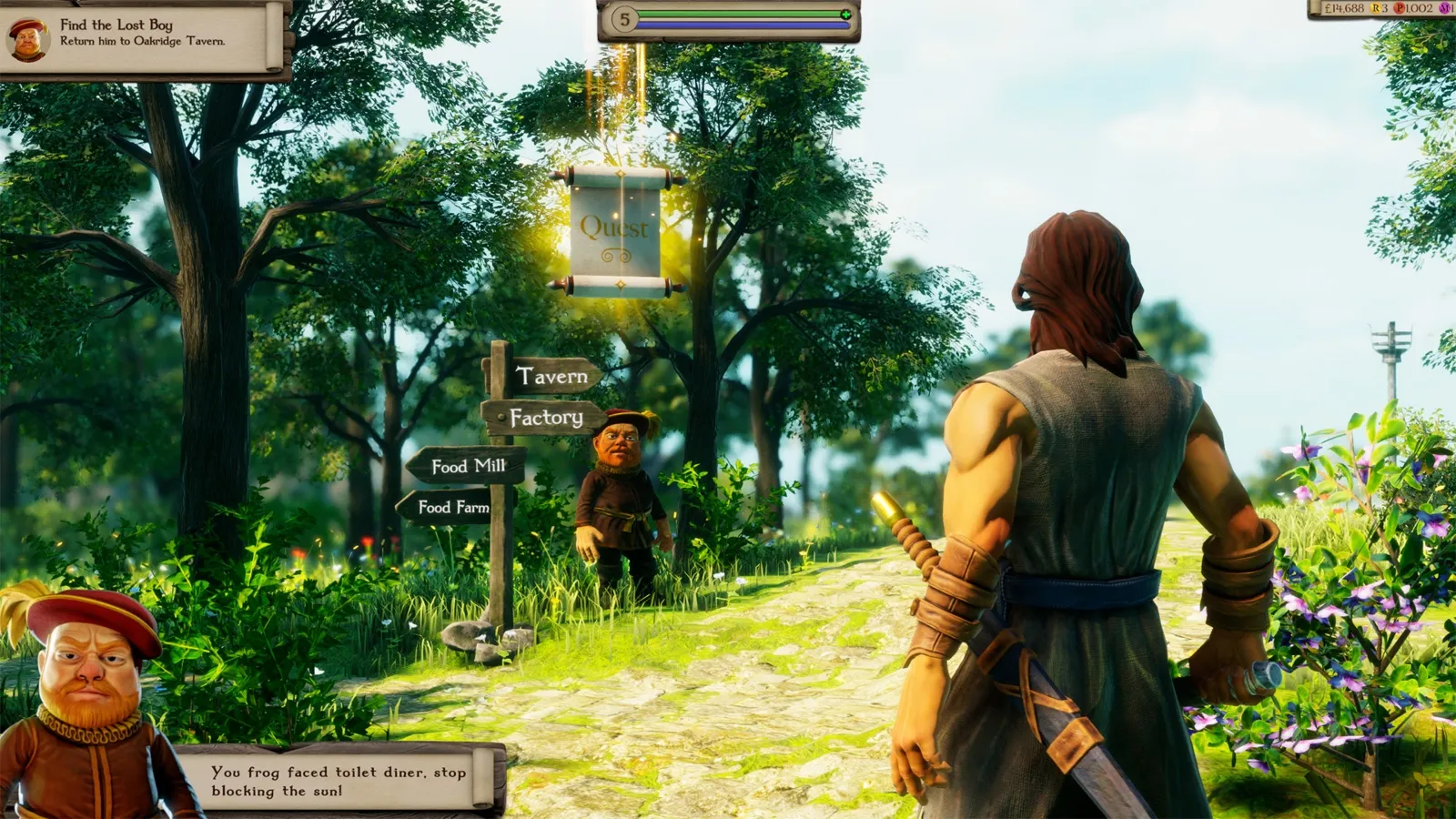
Beyond money, the biggest loss was trust. Players who funded Godus early expected transparency and iteration. Instead, they got radio silence for months, followed by vague blog posts. Updates didn’t match promises. The community felt ignored.
This pattern—hype, delay, disappointment—became known as “Molyneux Syndrome.” It’s now shorthand in gaming circles for overpromising and underdelivering.
Other developers have since learned the hard way. Star Citizen, No Man’s Sky (initially), and Cyberpunk 2077 faced similar backlash. But Molyneux was one of the first to show how charisma could mask dysfunction.
The ripple effect? Gamers are now more skeptical. Crowdfunding still works, but stretch goals are scrutinized. Demo footage is taken with a grain of salt. And when a veteran developer makes bold claims, the response is often: “Show me the game.”
The Legacy: Lessons from a Fallen Icon
Peter Molyneux isn’t a villain. He’s a dreamer who struggled to ground his ideas. His imagination ignited genres. But his inability to align ambition with execution cost real people real money.
Who lost the most?
- Backers lost over half a million pounds and years of anticipation.
- Developers lost jobs, morale, and creative faith.
- Investors lost capital and confidence in visionary-led startups.
- Microsoft lost a studio and millions in investment.
- Gamers lost trust in developer promises.
But the story isn’t all grim. Molyneux remains active. He’s spoken openly about his failures, even calling himself “an idiot” for overhyping Godus. In a 2021 interview, he admitted: > “I thought passion could overcome process. It can’t. Vision without discipline is just noise.”
That humility is rare—and valuable.
What This Means for the Future of Game Development
The Molyneux saga is a blueprint for what not to do. But it also highlights systemic issues in the industry:
- Hype cycles pressure developers to promise more than they can build.
- Crowdfunding rewards charisma over deliverability.
- Media coverage amplifies promises without holding creators accountable.
Successful studios today—like Devolver Digital or Larian Studios—build trust through transparency. They share roadmaps, admit setbacks, and involve communities in development. They under-promise and over-deliver.
For aspiring developers, the lesson is clear: Communicate honestly. Build incrementally. Let the work speak.
For investors and backers: Follow the team, not just the name. Check for shipped products, not just demos.
For publishers: Balance vision with operational rigor. Great ideas need great management.
Peter Molyneux helped shape gaming history. But his later failures remind us that in the digital age, trust is the most valuable currency—and the easiest to lose.
Conclusion: Believe in Vision, But Demand Proof
The players who lost money on Peter Molyneux’s failed legacy weren’t naive. They believed in innovation, in second chances, in the power of games to surprise us. That belief wasn’t misplaced—it was just poorly protected.
Moving forward, support creativity, but insist on accountability. Fund ideas, but demand progress. Celebrate visionaries, but hold them to their word.
Because in the end, the best games aren’t promised. They’re shipped.
Frequently Asked Questions
Who funded Godus? Godus was primarily funded through Kickstarter, raising over £500,000 from more than 17,000 backers. Additional funding came from private investors attracted to Peter Molyneux’s reputation.
Did Peter Molyneux make money from Godus? Yes—through Kickstarter and early access sales. However, most funds were used for development. Molyneux has not profited significantly from the game’s commercial performance.
What happened to Lionhead Studios? Microsoft closed Lionhead Studios in 2016 after the cancellation of Fable Legends and declining performance of the Fable franchise.
Is Godus still available? Yes, but it’s effectively abandoned. No major updates have been released since 2018. It remains playable on PC.
Why did Godus fail? It failed due to overpromising, underdelivering, poor development communication, and a lack of scalable design. The final product bore little resemblance to the Kickstarter pitch.
Did Peter Molyneux apologize for Godus? Yes. In multiple interviews, Molyneux admitted he overhyped the game and failed to meet expectations. He called it a “humble pie” moment.
Can a visionary developer recover from failure? Yes—but only with transparency, accountability, and a track record of shipping finished products. Molyneux’s influence endures, but his credibility is permanently scarred.
FAQ
What should you look for in Meet the Players Who Lost Big on Peter Molyneux’s Broken Promises? Focus on relevance, practical value, and how well the solution matches real user intent.
Is Meet the Players Who Lost Big on Peter Molyneux’s Broken Promises suitable for beginners? That depends on the workflow, but a clear step-by-step approach usually makes it easier to start.
How do you compare options around Meet the Players Who Lost Big on Peter Molyneux’s Broken Promises? Compare features, trust signals, limitations, pricing, and ease of implementation.
What mistakes should you avoid? Avoid generic choices, weak validation, and decisions based only on marketing claims.
What is the next best step? Shortlist the most relevant options, validate them quickly, and refine from real-world results.